
English 

Views: 0 Author: Site Editor Publish Time: 2026-08-07 Origin: Site


Leaving trailer towing links dragging in the dirt is a surprisingly common oversight among drivers. You unhitch your rig, drop the heavy gear onto the pavement, and walk away without a second thought. However, leaving these vital metal links exposed to raw ground moisture invites rapid, silent degradation. Proper storage serves as a critical preventative measure against this hidden wear. It actively extends the operational lifespan of your security chain while maintaining strict towing compliance standards. When metal rests on wet soil, rust takes hold quickly. This comprehensive guide evaluates the best modern storage methods and reliable accessories available today. You will learn how to keep your gear consistently elevated, mechanically secure, and completely rust-free between trips. We will explore practical techniques ranging from simple looping methods to dedicated aftermarket brackets to protect your investment.
Leaving trailer chains on the ground accelerates corrosion, compromising their weight rating and safety compliance.
Choosing the right storage method depends on trailer tongue design, storage environment (indoor vs. outdoor), and frequency of use.
Aftermarket storage brackets provide the highest reliability, but simple, elevated looping techniques can work for short-term parking.
Regular inspection of the safety chain during the stowing process prevents unexpected failures during future transit.
Many owners underestimate the physical damage caused by poor storage habits. You might think heavy-duty steel is invincible. It is not. Ground contact introduces aggressive environmental enemies to your towing equipment.
Prolonged contact with soil or concrete destroys metal integrity over time. Concrete acts like a giant, porous sponge. It holds moisture and slowly feeds it to resting steel. Soil often contains natural acids and salts. These elements strip away protective zinc coatings. Once bare metal touches damp ground, galvanic corrosion begins immediately. Rust eats through the links, permanently reducing their structural strength. You might not notice the internal decay until the metal snaps under tension.
Leaving chains scattered across the driveway invites physical impact damage. You might accidentally step on them. Worse, you might drive a heavy truck tire over an unsecured link. This massive pressure against hard concrete creates microscopic stress fractures. These hairline cracks remain mostly invisible to the naked eye. However, they create devastating weak points. When a towing emergency occurs, a fractured safety chain will fail exactly at these compromised spots.
How do we define a genuinely successful storage method? We look for three main pillars of effectiveness. Good storage prevents damage and saves you time.
Zero ground contact: Metal must remain entirely suspended above soil, concrete, or asphalt.
Weather-shielded: The solution should protect the hardware from direct rain or snow accumulation.
Rapid deployment: You must be able to unhook and deploy the links quickly for your next trip.
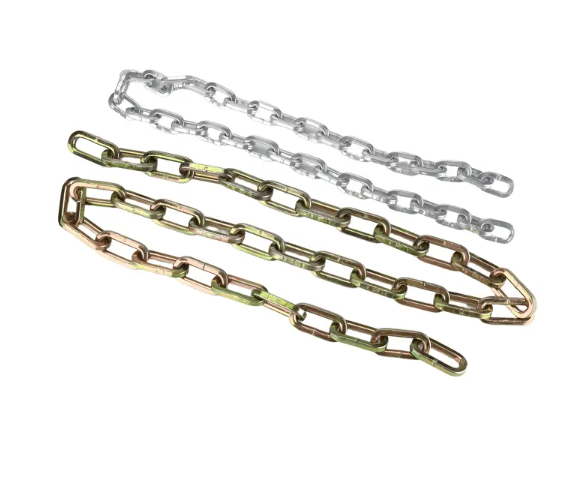
Drivers use several common methods to stow their gear. Some rely on simple habits, while others use built-in trailer features. We must evaluate each approach objectively. This helps you understand which method fits your daily towing routine.
This is the most common DIY approach seen at boat ramps and campsites. You physically cross the links over the A-frame. Then, you hook them back onto themselves.
Mechanism: Crossing the chains over the A-frame and hooking them back onto themselves.
Pros: Zero cost, requires no additional hardware.
Cons: Can scratch trailer paint, risks unhooking in high winds or if bumped.
Common Mistake: Many drivers hook the links too loosely. This allows them to swing. The swaying metal easily chips protective frame paint, which then causes the frame itself to rust.
Some drivers utilize the existing center jack post. They wind the extra length around the vertical post. Then, they latch the hooks near the top handle.
Mechanism: Wrapping the security chain around the center jack and securing it near the handle.
Pros: Keeps chains elevated and centralized.
Cons: May interfere with jack operation or manual cranks.
While effective for elevation, this method often creates a tangled mess. You might struggle to turn the manual crank handle. The metal links can jam against the jack's rotating gears.
If your trailer has a tool box mounted on the tongue, you might use it. It offers excellent isolation from the outside world.
Mechanism: Stowing chains inside a locked, weather-proof tongue box.
Pros: Maximum weather protection and theft deterrence.
Cons: Requires unbolting chains (if not permanently attached) or routing them awkwardly into the box.
Routing permanently welded links into a sealed box is difficult. You often have to leave the box lid slightly open. This defeats the weatherproofing. Alternatively, shoving dirty, greasy links inside ruins the clean gear stored alongside them.
Storage Method Comparison Chart
Storage Method | Cost | Weather Protection | Ease of Use |
|---|---|---|---|
Loop and Hook | Free | Low | Moderate |
Jack Post Wrap | Free | Low | Low |
Tongue Box | High (if adding) | Excellent | Low |
When basic habits fall short, you should explore dedicated hardware. The market offers various accessories designed to manage your security chain. Let us compare commercial aftermarket options against common DIY hacks.
Magnetic holders use strong neodymium magnets. You snap them onto the steel frame. They hold the metal links firmly in place above the ground.
Evaluation: These are ideal for stationary, indoor storage. They work perfectly inside a dry garage. However, they are less reliable for long-term outdoor storage. Heavy-duty chains carry significant weight. Extreme temperature shifts and heavy rain can weaken the magnetic grip. A strong gust of wind or an accidental bump might dislodge the heavy steel.
These are dedicated brackets you bolt directly onto the trailer frame. They feature specialized slots or hooks to hold your gear securely.
Evaluation: This is the industry standard for heavy-duty trailers. When evaluating these, look closely at durability. Aluminum brackets resist rust entirely but might bend under extreme weight. Powder-coated steel brackets offer massive strength. They easily handle industrial-grade links. Furthermore, clamp-on or bolt-on designs ensure easy installation. You do not need to drill holes into your frame, which preserves your factory warranty.
Many resourceful owners build their own holders. They use PVC pipes zip-tied to the frame. Others use standard climbing carabiners attached to existing holes.
Evaluation: These methods are highly cost-effective. Unfortunately, they often lack longevity. PVC degrades quickly under harsh UV sunlight. It becomes brittle and shatters. Standard aluminum carabiners often lack the necessary weight capacity. A heavy safety chain will eventually bend a cheap carabiner over a long bumpy ride.
How do you choose the right path? Guide your decision based on your trailer type. We recommend choosing heavy-duty bolt-on brackets for commercial setups or frequent use. They offer unmatched reliability. If you own a light-duty utility trailer for weekend yard work, heavy-duty carabiner loops might suffice. Always match the storage accessory's strength to the weight of your equipment.
Proper storage is not just about cleanliness. It is a strict matter of legal compliance. Towing regulations demand equipment in perfect working order.
The Department of Transportation (DOT) strictly monitors towing safety. They mandate that all towing links must meet specific weight capacities. Rusted or compromised links lose their legal rating. If you experience a hitch disconnect, degraded metal will snap. This leads to massive legal liability. Highway patrols regularly issue citations for dragging or severely rusted equipment. Maintaining a clean, elevated safety chain keeps you compliant and shields you from costly fines.
The storage process provides the perfect moment for a quick audit. Make this a permanent habit.
Advise users to check for stretched links. A stretched oval link indicates past severe stress.
Examine the S-hooks or clevis pins for wear.
Ensure the safety latches snap back firmly.
Best Practice: Always perform this inspection before walking away. Finding a faulty latch during storage gives you time to order a replacement before your next scheduled trip.
Storage prepares your gear for dormancy. Briefly cover the metal with a dry lubricant before long-term seasonal storage. Avoid wet, sticky grease. Wet grease attracts abrasive sand and dirt. Instead, apply a dry Teflon spray or a dedicated corrosion inhibitor. This thin film aggressively repels moisture. It prevents surface rust from forming during wet winter months.
Creating a reliable habit requires a consistent routine. Follow these steps every single time you unhitch your trailer. Consistency prevents accidental ground exposure.
Step 1: Disconnect and Inspect: First, safely detach your rig. Uncross the chains entirely. Inspect the bottom-most links carefully. Look for fresh, shiny scrape marks. This indicates ground-scraping wear from the previous trip. Address any dragging issues before your next outing.
Step 2: Elevate and Route: Lift the heavy steel away from the ground immediately. Route the links carefully away from all moving parts. Avoid the manual jacks. Keep them clear of the emergency breakaway cables. Tangling these systems can cause a disastrous brake lock-up later.
Step 3: Secure the Hooks: Bring the ends up to your chosen storage mount. Latch the hooks facing outward onto the designated bracket or secure loop. Facing the latches outward prevents them from catching on wires. It securely locks them against accidental dislodging during yard maintenance.
Step 4: Weatherproofing (Seasonal): Consider the current season. If storing your trailer for the harsh winter, apply a protective canvas cover over the tongue area. Better yet, move the trailer to a climate-controlled area. Blocking snow and ice buildup maximizes the lifespan of your towing hardware.
Treating your towing equipment with respect guarantees a safer journey. Proper elevation and secure routing protect metal from invisible decay. Summarize the importance of treating the security chain as a vital piece of hardware rather than a trivial afterthought. A compromised link threatens your cargo, your vehicle, and other drivers.
We strongly recommend selecting a dedicated storage accessory to remove the guesswork from unhitching.
Invest in bolt-on brackets to keep heavy steel permanently elevated.
Adopt a strict inspection routine every time you park your rig.
Apply dry lubricants seasonally to repel moisture effectively.
Take action today. Audit your current trailer setups immediately. Inspect your links for rust and upgrade your storage methods before the next towing season begins.
A: Yes, it is illegal in most jurisdictions. Dragging metal creates dangerous sparks that can ignite wildfires. It also rapidly grinds down the metal, destroying its structural integrity and violating DOT safety weight ratings. You can face severe fines for dragging equipment.
A: Yes, you can. It provides excellent weather protection and theft deterrence. However, routing permanently attached links into the box is often difficult. It may force you to leave the lid partially open, which completely defeats the waterproof seal.
A: Yes, applying a lubricant prevents winter rust. Avoid wet grease, as it attracts dirt and grit. Instead, use a dry Teflon spray or a specialized corrosion inhibitor. This creates a protective barrier against freezing moisture without creating a messy surface.
A: Boat trailers face extreme moisture and saltwater exposure. The best method is using an aluminum bolt-on hanger bracket. Aluminum will not rust. Keep the links elevated well above the damp ramp environment and rinse them with fresh water before hanging them up.
A: You should replace them immediately if you notice stretched links, deep gouges, a broken latch, or severe rust that pits the metal. Even without visible damage, if they have experienced a sudden, violent shock load during a disconnect, replace them instantly.


